

If you are going through a divorce, or are about to be, you already know about conflict. For many couples, once they get through the difficult process of choosing to end their marriage, they are looking for a more cooperative path forward. There is no question that mediation and other alternative dispute resolution methods can be helpful in negotiating an agreed-upon solution to your divorce. It can happen before or during your divorce to speed things up, save money, and foster a more cooperative atmosphere going forward.
At RPM Law, our Maryland divorce lawyers can help represent you through the entire divorce process, including mediation. Let us explain how mediation can help prevent an ugly divorce and give you countless other benefits along the way.
What Is Mediation?
You’re going through a divorce, and you are likely dealing with a lot of conflict. You can’t agree with your spouse on how to end things, but you want a better solution than going straight to trial. This is where a mediation can help.
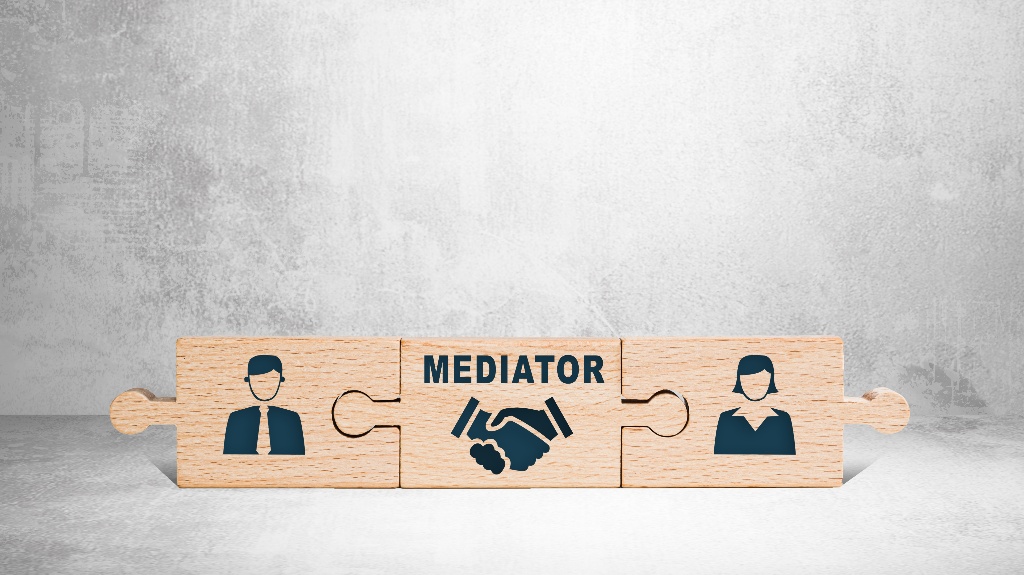
Mediation is a process where a mediator acts as a neutral third party between you and your spouse. They help you negotiate and agree on key issues. They don’t decide things themselves, but they help foster a cooperative agreement. They help:
- Facilitate communication
- Encourage compromise
- Guide you towards solutions you can both agreed to
- Take the emotion out of it
Is Mediation Mandatory in Maryland Divorce Cases?
No, mediation is not always mandatory, but it can be if the court orders it. Many courts will encourage mediation, while others may specifically order it. This will usually depend on the circumstances of your specific case.
Why Would I Do Mediation? What Benefits Are There?
Mediation can give you several advantages that can make a big difference to your life.
- Less Cost: Contested court cases are expensive. Mediation helps save on these costs if you can both agree on things.
- More Efficient: Mediation is often quicker and more flexible to schedule. Courts can take a long time, meaning you have to wait to end your marriage.
- Increased Privacy for You Both: Court proceedings are public, and they are recorded. Anyone could watch or hear your private matters. Mediation is confidential, so your lives are not on display to the community.
- Control Over What Happens: In mediation, you have the control over what you agree to. If you can’t agree, you have no control over what the judge decides, but would have to live with it.
- Less Conflict: Mediation focuses on cooperation. This can help repair rifts in your communication and make it easier to cooperate now and in the future.
- Solutions That Work For You: Court-ordered solutions are not flexible, and may not fit the nuances of your daily lives. Mediation lets you work through all of that to pick options that work for the whole family.
What Do We Talk About in Mediation?
Mediation will likely cover lots of topics, which might include:

- Child custody
- Visitation issues
- Child support
- Retirement account division
- Real estate division
- Who gets to stay in the marital home
- Alimony amount and duration
- Personal property division
Your Attorney’s Role in the Mediation
Even though mediation is less formal than court, having your lawyer there is still extremely important. Attorneys can:
- Advise clients on their rights under Maryland law
- Help prepare for mediation sessions
- Review proposed agreements to ensure fairness and compliance
- Draft final settlement documents for court approval
Consider Mediation as Part of the Solution to Your Maryland Divorce
Mediation may be an option that fits well in your case. It can help you save money and headaches along the way. Even if it doesn’t fully resolve your case, it can limit the contested issues at trial. Our team at RPM Law is highly experienced and ready to help with your Maryland divorce. Contact us today for a consultation.
Blogs published by RPM Law are available for informational purposes only and are not considered legal advice on any subject matter. The reader understands that by viewing blog posts no attorney-client relationship is created between the reader and the blog publisher, RPM Law. The blog should not be used as a substitute for legal advice from a licensed professional attorney, and readers are urged to consult their own legal counsel on any specific legal questions concerning a specific situation.